This article is intended for educational purposes only, providing informational insights into digital workforce platforms and related tools.
Introduction
In modern organizational environments, digital workforce platforms play a crucial role in managing tasks, coordinating teams, and streamlining operational processes. This post examines the structure, functionalities, and considerations of such platforms, with particular reference to the flynn people portal and the flynn portal as examples of educational case studies. The objective is to provide a clear, professional understanding of these tools without promoting any service or product.
Main Content
1. What Are Digital Workforce Platforms?
Digital workforce platforms are software solutions designed to assist organizations in managing various aspects of employee and task coordination. They typically provide dashboards, task management features, and reporting functionalities. Unlike generic management tools, workforce platforms often include modules for communication, scheduling, and organizational analytics.
2. Key Components and Functionalities
- User Dashboards: Enable employees to view tasks, deadlines, and notifications efficiently.
- Collaboration Tools: Facilitate communication through messaging, file sharing, and project updates.
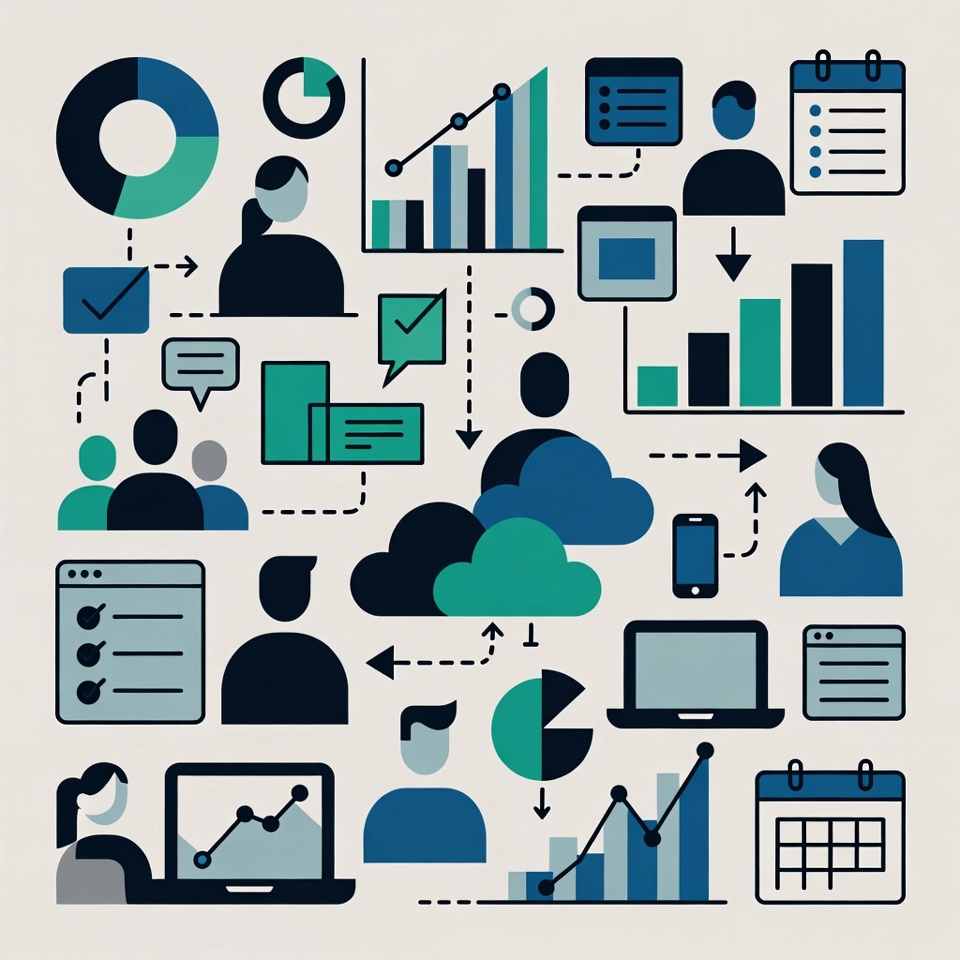
- Reporting and Analytics: Provide visual summaries of team activities, productivity metrics, and workflow bottlenecks.
- Integration Capabilities: Modern platforms support integration with email, calendar systems, and internal applications, enhancing workflow cohesion.
3. Case Study Reference: flynn people portal
The flynn people portal serves as a representative example of workforce platform design. It offers an interface for employees to access schedules, notifications, and collaborative tools in a centralized location. Observing such platforms allows organizations and researchers to understand design considerations like usability, data presentation, and user navigation flow.
4. Comparing Neutral Digital Tools
When examining workforce platforms, it’s useful to consider neutral alternatives that provide similar functionalities:
- Platforms with task-tracking dashboards
- Tools supporting team communication without additional financial modules
- Systems offering analytics of operational workflows
The comparison emphasizes usability, clarity, and accessibility rather than commercial promotion.
5. Best Practices in Platform Implementation
Implementing a digital workforce platform requires attention to user experience, interface clarity, and effective training materials. Recommendations for analysis include:
- Evaluating interface intuitiveness
- Reviewing accessibility of key features
- Considering platform scalability
- Ensuring structured data presentation
These considerations aid organizations in understanding platform effectiveness without influencing purchasing or adoption decisions.
Conclusion
Digital workforce platforms, including the flynn portal and flynn people portal, demonstrate the value of organized digital tools in workplace coordination. Observing their functionalities provides insights into workflow efficiency, interface design, and user engagement, offering a professional perspective on operational management.
Final Disclaimer
This article is intended for educational purposes only, providing informational insights into digital workforce platforms and related tools.


0 Comments